Green Synthesis of MgZnFe2O4 Nanoparticles: A Sustainable Approach to Combat β-Lactam-Resistant Uropathogenic Strains
Pages 489-507
https://doi.org/10.48309/chemm.2025.510677.1914
Rahma Trabelsi, Mariem Yengui, Asaad T Al-Douri, Hanen Sellami, Radhouane Gdoura
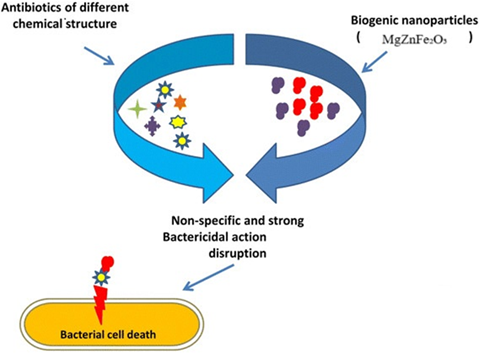
Abstract The global spread of drug-resistant urinary pathogens—notably ESBL-producing E. coli and K. pneumoniae—has created a therapeutic crisis, as β-lactam antibiotics (the frontline defense) lose efficacy. With conventional treatments dwindling, sustainable nanotechnology steps into the fray. This study pioneers eco-friendly green synthesis of MgZnFe₂O₄ nanoparticles, demonstrating their targeted antibacterial potential against ESBL-producing uropathogens as a sustainable countermeasure to drug-resistant infections. Using plant-based extracts, MgZnFe₂O₄ nanoparticles were synthesized via a green co-precipitation method, avoiding harmful chemicals. Lab results reveal MgZnFe₂O₄ nanoparticles achieve 10-15 mm inhibition zones against ESBL pathogens at 3.25-6.25 mg/mL concentrations, while their potent bactericidal action (MBC/MIC ratio of 2:1) overcomes even carbapenem-resistant strains, positioning them as promising next-gen antimicrobial candidates. The results underscore the importance of green-synthesized MgZnFe₂O₄ nanoparticles as a sustainable solution to mitigate the growing threat of β-lactam-resistant uropathogens, offering a promising avenue for reducing reliance on conventional antibiotics.